
Is Boba Vegan? What to Check Before You Sip
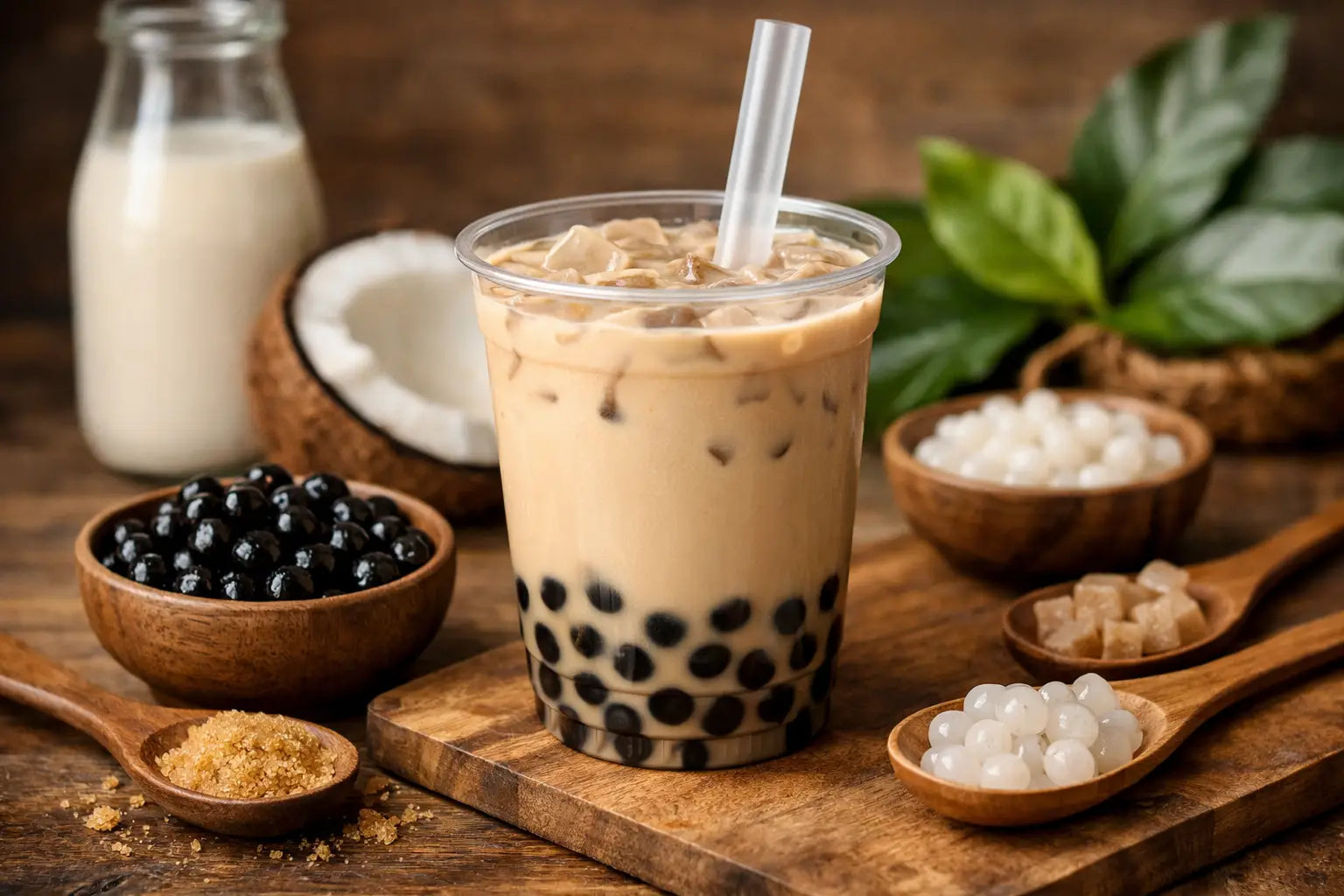
A glossy cup of bubble tea can look completely plant-based - tea, syrup, ice and those gloriously chewy pearls - but is boba vegan every time? Not automatically. The good news is that a brilliant vegan bubble tea is very easy to make, especially at home. You simply need to know which ingredients deserve a quick label check before the shaking begins.
For most people, the main question is not the tea itself. It is the milk, the sweetener and the toppings. Get those right and your next bubble tea night can be every bit as creamy, colourful and café-worthy without animal-derived ingredients.
Is boba vegan? Start with the pearls
Traditional tapioca boba is usually vegan. The classic chewy pearls are made from tapioca starch, which comes from cassava root, mixed with water and often brown sugar. That familiar squidgy texture does not require dairy, eggs or gelatine.
The word "usually" matters, though. Ready-made pearls can contain extra ingredients for flavour, colour or shelf life, and brown sugar syrups may be prepared differently from one brand to another. If you follow a vegan diet, check the packet for milk powder, honey, gelatine, carmine or vague flavourings that are not clearly identified. A product marked vegan is the simplest reassurance.
There is also a practical difference between dry tapioca pearls and cooked pearls from a drinks counter. Dry pearls may be vegan, while the syrup used to soak the cooked batch could contain honey or be shared with non-vegan ingredients. At home, you are in charge of the whole process, which makes it much easier to keep things plant-based.
What about popping boba?
Popping boba is often vegan-friendly, but it is never wise to assume. These juice-filled spheres are commonly made using fruit juice, sugar and sodium alginate, a seaweed-derived setting agent. That is promising for plant-based drink makers.
Still, flavours vary. Some may contain colourings, flavourings or additives that do not suit every vegan preference. Look at the ingredient list, especially with creamy, dessert-inspired or yoghurt-style flavours. Fruit-forward choices such as mango, strawberry, lychee and passion fruit are often the easiest starting point, but the label gets the final say.
The milk makes the biggest difference
A traditional milk tea made with cow's milk, dairy creamer or milk powder is not vegan. This is the ingredient that catches most people out, particularly when ordering from a bubble tea shop where "milk tea" can mean several different things.
Plant milks make the switch wonderfully simple. Oat milk gives a soft, creamy finish that works especially well with black tea and brown sugar. Soy milk has a fuller body and stands up nicely to stronger brews. Coconut milk brings tropical richness to mango or pineapple drinks, while almond milk can add a light, nutty edge.
Not every plant milk behaves the same way in tea. Some can split when added to very hot, acidic or strongly brewed tea. Let your tea cool slightly before combining it with milk, and give everything a good shake over ice. Barista-style oat or soy milk is often a reliable choice if you want that smooth, indulgent texture.
Do not forget powdered mixes. They are brilliantly convenient for quick bubble tea, but many classic milk tea powders contain dairy. If you are making drinks from a kit or refill pack, read the individual ingredient labels rather than assuming the whole bundle is vegan. If you are choosing a Bubble Panda kit, use the same simple rule: check every included tea, syrup, powder and topping, then build your drink around the vegan-friendly bits.
Syrups, tea and sweeteners: the easy wins
Plain brewed tea is vegan. Black tea, green tea, jasmine tea, oolong and fruit infusions are all naturally plant-based before milk and sweetener are added. That gives you a lot of room to play with flavour.
Most sugar syrups are suitable for vegans, including brown sugar, vanilla, strawberry and fruit syrups. Honey is the obvious exception. A drink described as floral, botanical or soothing may use honey, so do not let the flavour name make the choice for you.
If you are strict about refined sugar, you may wish to check how it has been processed too. This is a personal choice within vegan eating, and product labels do not always provide every detail. For everyday bubble tea making, selecting products explicitly labelled vegan is the clearest route.
Toppings that need a closer look
Toppings are where a vegan bubble tea can become a tiny detective game. Plenty are suitable, but a few popular extras are not.
Grass jelly is often vegan because it is traditionally made from plants, but recipes vary and should be checked. Coconut jelly is commonly vegan and adds a fun, firm bite. Aloe vera pieces can also be a fresh plant-based option when packed in a suitable syrup.
The toppings most likely to contain animal-derived ingredients are creamy puddings, custards, mousse-like foams and jellies set with gelatine. Egg pudding is not vegan, and cheese foam is very much a dairy affair. Marshmallow-style toppings can contain gelatine too.
Here is a handy quick-check list for a vegan-friendly order or at-home creation:
- Tapioca pearls made from tapioca starch, with a suitable syrup
- Fruit popping boba with clearly vegan ingredients
- Coconut jelly, aloe vera or verified grass jelly
- Oat, soy, coconut or another plant milk
- Tea and syrups without milk, honey or unclear animal-derived additives
How to make vegan bubble tea at home
Homemade bubble tea is ideal when you want the fun without the ingredient guesswork. It also means everyone can customise their own cup - perfect for a birthday, a family treat or a Friday night drink-making session.
Start by cooking tapioca pearls according to the packet instructions. Once they are soft and chewy, coat them in a vegan brown sugar syrup so they stay glossy and flavourful. Brew your favourite tea a little stronger than normal, as the ice and milk will mellow it out.
Add the pearls to the bottom of a tall glass, followed by ice. Pour in cooled tea, your chosen plant milk and a syrup that suits the mood. Brown sugar and oat milk create a cosy classic; jasmine tea with lychee syrup and coconut jelly tastes light and fragrant; strawberry popping boba with green tea is bright, cheerful and made for showing off.
Shake the tea, milk and syrup separately in a jar or cocktail shaker before pouring if you want a properly blended drink. Then grab a wide straw - regular straws and tapioca pearls are not the best of friends - and serve straight away.
Keep an eye on cross-contact
For many vegan drink makers, ingredients are the main concern. For others, cross-contact matters too. If you are making a drink for someone with an allergy or strict dietary requirement, use clean utensils, a freshly washed shaker and separate spoons for toppings. At a shop, it is reasonable to ask whether pearls, scoops and blenders are shared with dairy-based drinks.
This is also why home bubble tea can feel so reassuring. You choose the milk, the toppings, the sweetness and the level of care. No awkward guessing, just your favourite combination made your way.
Vegan boba can still feel like a treat
Going vegan does not mean settling for a sad, watery tea with a few lonely pearls at the bottom. The best plant-based bubble teas are creamy, properly chilled and full of texture. A rich oat milk can give brown sugar boba its pudding-like comfort, while fruity popping boba and coconut jelly bring plenty of colour and bounce.
The only real rule is to read the label rather than relying on the name of the drink. Once you have found vegan-friendly pearls, toppings and milk, the fun part starts: mixing flavours, setting out glasses for friends and making a little café moment in your own kitchen. Your perfect boba order might just be the one you make yourself.
