
Bubble Tea Kit Taste Test: What Really Counts
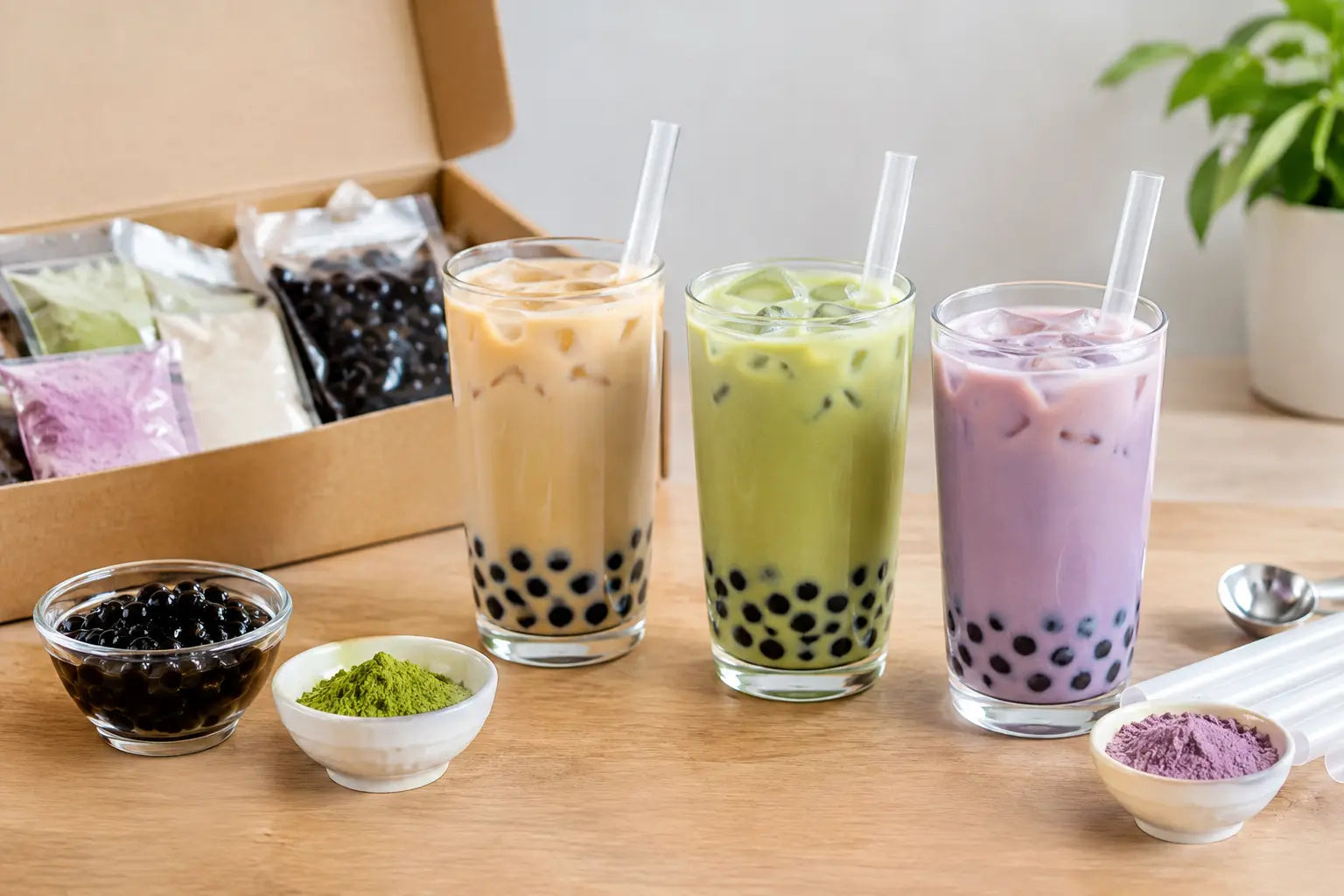
That first sip should taste like a treat, not a science project. A good bubble tea kit taste test is not about finding the sweetest drink or the most toppings in one cup. It is about the little details that make you grin: proper tea flavour, a creamy or fruity finish, boba with a satisfying bite, and a recipe that does not leave your kitchen looking like a sticky laboratory.
At-home bubble tea has a big job to do. It needs to feel special enough for a Friday-night film, simple enough for a first-timer, and flexible enough that everyone gets the drink they actually want. Here is what we would look for when putting any bubble tea kit through its paces.
How to judge a bubble tea kit taste test
Taste comes first, naturally, but it is not the only thing on trial. A brilliant kit balances flavour with texture and ease. If the tea is lovely but the tapioca turns hard five minutes later, it is not quite café-style. If the toppings are fun but the drink tastes flat, the novelty wears off quickly.
Start by making each drink exactly as directed. This gives the kit a fair chance and tells you whether its instructions are genuinely beginner-friendly. Then make a second cup with a small tweak: a little less syrup, extra ice, a splash more milk, or a different topping. The best kits give you a great first result while leaving room to play.
A useful taste test considers five things: tea character, sweetness, texture, topping quality, and how easily the finished drink comes together. You do not need a panel of professional tasters. A couple of friends, different-sized glasses, and an honest opinion are enough.
1. Does the tea taste like tea?
In a milk tea, tea should do more than provide a beige backdrop. It should add body and a gentle tannic edge that stops the drink becoming cloying. A strong black tea can stand up well to milk and brown-sugar-style flavours, while a lighter tea works beautifully with floral or fruit-led recipes.
For fruit bubble tea, the tea may sit further in the background, but it should still make the flavour feel rounded rather than like squash over ice. Take a sip before adding toppings if you can. If it tastes pleasant on its own, you are starting in a very good place.
Tea preference is personal, of course. Some people want a bold, traditional milk tea; others want a softer, sweeter cup. What matters is that the kit gives you a deliberate flavour rather than a watery compromise.
2. Is the sweetness easy to control?
Shop bubble tea can be wonderfully indulgent, but it can also be much sweeter than you expected. At home, control is part of the fun. A kit earns points when it lets you decide whether you want a full-on dessert drink or something a little lighter.
Taste the drink before you pour in every last drop of syrup or powder. If you are serving children, or mixing several flavours for a party, beginning with slightly less is often the safest move. You can always add more. You cannot take it back out.
The ideal level depends on the flavour. A bright mango or strawberry drink can handle a little tang and sparkle. A creamy biscuit, vanilla, or chocolate-style drink usually needs sweetness that feels cosy rather than heavy. Good flavour should still be recognisable after the ice starts to melt.
3. The all-important chew, pop or wobble
Texture is where bubble tea becomes an experience. Tapioca pearls should be springy and pleasantly chewy, not crunchy in the middle or so soft that they disappear. They are at their best soon after preparation, so plan your taste test around serving time rather than letting finished cups wait on the side.
Popping boba brings a different sort of joy. The outer skin should hold until you bite, then release a burst of fruitiness without tasting artificial or overly sharp. Jelly toppings should be bouncy and easy to sip through a wide straw. A great topping adds contrast to the drink, not an obstacle course at the bottom of the glass.
This is also where personal preference matters most. Traditionalists may always choose brown sugar tapioca. Fruit fans may prefer popping boba, especially in iced teas. For younger guests and party tables, offering two toppings makes the moment feel more generous without making preparation complicated.
The bubble tea kit taste test: flavour by flavour
Rather than trying to crown one flavour as the winner, match flavours to the mood. Classic milk tea is a useful benchmark because there is nowhere for weak tea or overly sweet powder to hide. It should be smooth, creamy, and reassuringly moreish.
Fruit flavours bring the colour and the party energy. They work especially well over plenty of ice with popping boba, and they tend to be an easy first choice for people who are not sure about milky tea. Look for a finish that is fresh and recognisable, rather than a flavour that vanishes after the first sip.
British-inspired flavours can be the surprise stars in a tasting line-up. Rhubarb and elderflower, for example, offer a floral-fruity twist that feels a little more grown-up, while cherry bakewell has that nostalgic, bakery-style comfort. Gingerbread is made for cosy evenings and festive gifting. These flavours will not suit every purist, but that is exactly their charm: they turn a familiar drink into something worth talking about.
When tasting several drinks, begin with lighter fruit flavours, move to floral or creamy cups, and finish with richer dessert-inspired options. Sip water between samples. Otherwise, the loudest flavour may win simply because it arrived last.
Preparation matters more than you think
Even delicious ingredients can disappoint if the method is fiddly. A home kit should remove the hard-to-find ingredients and guesswork, not replace them with ten confusing steps. Clear quantities, sensible timings, and simple recipe guidance make a real difference, especially when the kitchen is full of excited guests.
For the fairest result, use cold water or freshly brewed tea where the recipe asks for it, measure the ice roughly but generously, and use a shaker if you have one. Shaking does more than look fun. It chills the drink quickly and helps combine milk, tea and flavouring into a smoother cup.
Do not overlook the straw. A standard straw will not do justice to tapioca pearls or jelly cubes. Wide straws are part of the practical magic: they make the drink easy to enjoy and stop everyone fishing toppings out with a spoon. Reusable ones are particularly handy for repeat bubble tea nights.
A kit should also make enough servings to feel like value, not a one-glass experiment. That is especially relevant for birthdays, sleepovers, family film nights, and gift giving. Making drinks together is half the point, so a choice of flavours and toppings often matters more than producing one very large cup.
What a great at-home cup should leave you wanting
The final question is wonderfully simple: would you make it again next weekend? The strongest kits create a drink that is delicious on day one and tempting enough to inspire a new combination next time. Perhaps classic milk tea with chewy pearls today, then a fruity iced tea with popping boba tomorrow.
Bubble Panda kits are designed for that happy kind of experimenting: café-style bubble tea at home, without a cupboard full of one-use ingredients. The real winner of any taste test is the kit that lets beginners get a lovely result quickly, while giving regular boba fans plenty to customise.
Set out a few glasses, add plenty of ice, and let everyone choose their own topping. The most memorable bubble tea taste test is rarely the one with the neatest scorecard. It is the one where somebody takes a sip, pauses, and immediately asks to make another flavour.
