
Does Boba Contain Caffeine? A Handy Guide
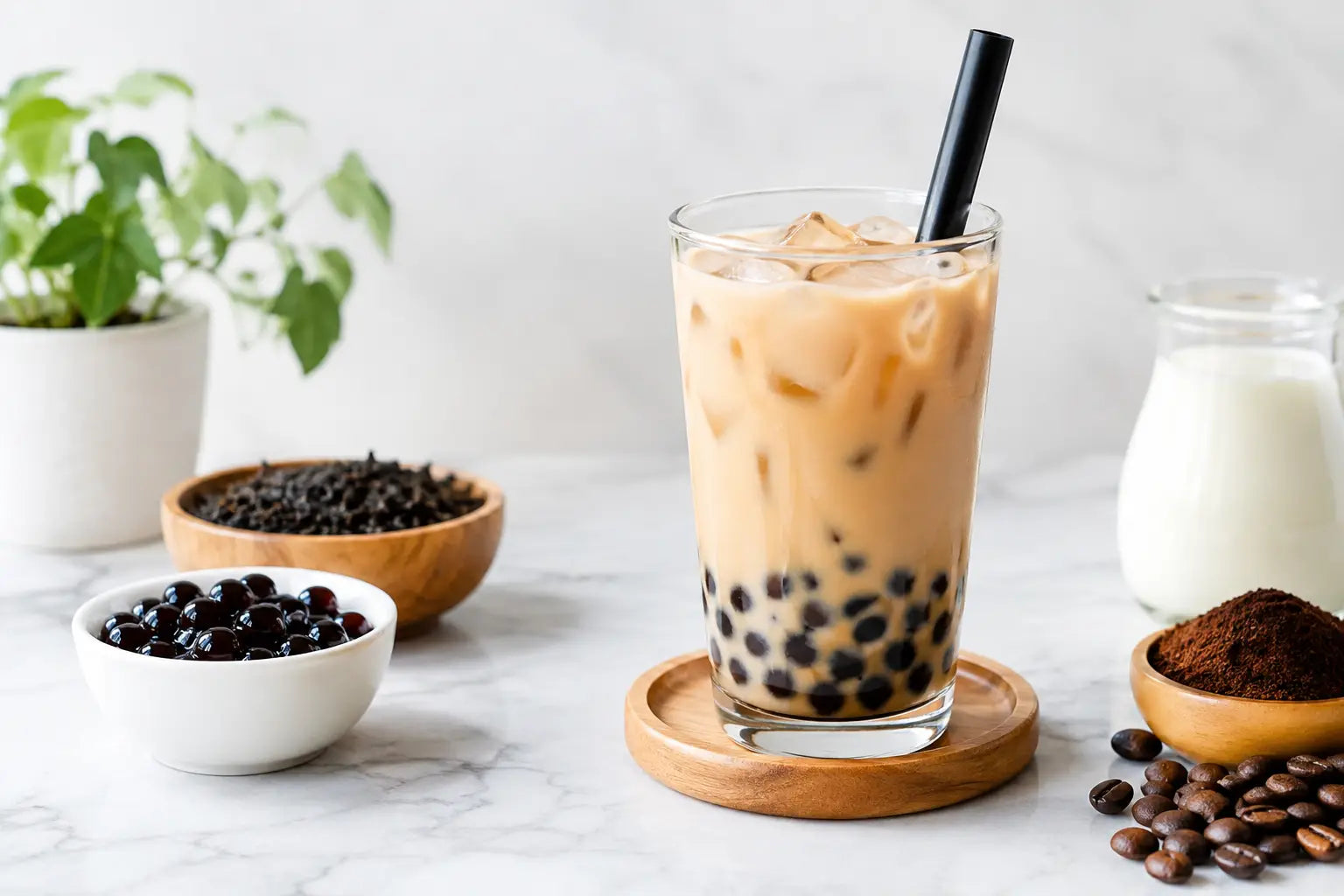
That first slurp of a creamy milk tea can feel like a proper afternoon pick-me-up. But does boba contain caffeine? Sometimes, yes - but the boba pearls themselves are not usually the reason. Whether your drink contains caffeine depends mainly on the tea base you choose.
That is brilliant news for home bubble tea makers. Once you know where the caffeine comes from, it is easy to create a café-style drink that suits a post-school treat, a late-night film, or a much-needed morning boost.
Does boba contain caffeine?
Boba is often used as shorthand for the whole drink, but it can mean two different things: the bubble tea itself or the chewy tapioca pearls at the bottom. Traditional tapioca boba is made from cassava starch, water, and usually brown sugar. It does not naturally contain caffeine.
The caffeine in bubble tea comes from the brewed tea. Classic milk teas are commonly made with black tea, which contains caffeine. Green tea and oolong tea also contain caffeine, while fruit teas may or may not, depending on whether they are brewed with real tea or an herbal infusion.
So, a brown sugar milk tea made with black tea is likely to be caffeinated. Brown sugar tapioca pearls stirred into milk without tea are not. The same goes for popping boba, jelly, and other toppings: they bring flavour, colour, and a very satisfying bite, but not a caffeine kick unless coffee or tea has been added separately.
Which bubble tea drinks have the most caffeine?
There is no single caffeine figure for every bubble tea. Recipes, cup sizes, steeping time, tea strength, and the amount of ice all make a difference. Still, the tea base gives you a useful rule of thumb.
Black tea milk tea
Traditional black tea milk tea is generally one of the more caffeinated choices. Think classic original milk tea, Assam-style blends, Earl Grey-inspired drinks, and many Thai tea recipes. A typical serving may contain roughly 30 to 70 mg of caffeine, though a strong brew or larger drink can contain more.
If you love the familiar, malty taste of a proper milk tea and want a little lift, black tea is a great place to start. Add chewy tapioca pearls for the classic experience, or go playful with popping boba and a flavoured syrup.
Green tea and oolong bubble tea
Green tea and oolong tea both have caffeine, usually in a moderate range. They often taste lighter and fresher than a rich black milk tea, particularly when paired with fruity flavours such as peach, lychee, mango, or passion fruit.
Do not assume green tea means caffeine-free. It does not. But for some people, it can feel like a gentler choice than a strong black tea base.
Matcha bubble tea
Matcha deserves its own mention because it is made from powdered whole green tea leaves rather than tea that is strained away after brewing. That can make a matcha latte or matcha bubble tea more caffeinated than a standard green tea drink.
It also has a distinct earthy flavour and a gorgeous green colour, making it a fun option when you want your at-home drinks to look as good as they taste. If you are sensitive to caffeine, measure your matcha carefully or save this one for earlier in the day.
Coffee bubble tea
Coffee-flavoured bubble tea, iced coffee with boba, and espresso-based drinks can be among the strongest choices. Some use real coffee, while others rely on a coffee-flavoured syrup or powder, so the caffeine level varies hugely.
If caffeine is a concern, check the ingredients rather than relying on the flavour name. A drink that tastes like coffee is not always made with coffee, and a drink described as a latte may include either tea or coffee.
What about fruit tea, popping boba, and jelly?
Fruit bubble tea can be caffeinated or caffeine-free. A strawberry, lemon, or peach drink made with brewed green or black tea contains caffeine. A drink made with an herbal infusion, juice, cordial, or simply water and syrup may not.
Popping boba is typically caffeine-free. These juicy little spheres are usually filled with fruit-flavoured liquid and burst when you bite them. Jelly toppings, coconut jelly, aloe vera, grass jelly, and classic tapioca pearls are also generally caffeine-free, although recipes differ by brand.
This makes toppings a brilliant way to keep the fun high while changing the drink itself. A caffeine-free strawberry milk drink with mango popping boba can still feel like a full-on bubble tea treat - just without the tea-based buzz.
How to make low-caffeine or caffeine-free boba at home
Making bubble tea at home gives you the control that a busy shop menu does not always offer. You can choose the tea, adjust the amount, and make every cup match the moment.
For a lower-caffeine drink, brew your usual black or green tea for a shorter time, use less tea, or choose a naturally lighter tea base. For a caffeine-free option, skip traditional tea altogether and build your drink around milk, plant-based milk, fruit syrup, or an herbal infusion.
Rooibos is a particularly lovely caffeine-free tea option. Its naturally sweet, slightly caramel-like flavour works beautifully with milk and brown sugar pearls. Peppermint, berry, hibiscus, and chamomile infusions can work too, although they create a very different flavour profile from classic milk tea.
You can also make a simple boba milk drink. Cook your tapioca pearls, add them to a glass with syrup, pour over cold milk and ice, then give it a good stir. It is easy, creamy, and ideal for younger bubble tea fans or anyone avoiding caffeine in the evening.
For a fruity version, combine ice, a fruit syrup or cordial, water or sparkling water, and popping boba. No complicated equipment required - just a wide straw, because every good bubble tea deserves one.
Caffeine, sugar, and choosing the right treat
Caffeine is not the only thing that can affect how a bubble tea feels. Sweeteners, syrups, milk powders, and toppings can all add sugar, while creamy drinks can be richer than a plain brewed tea. That does not make bubble tea off-limits. It simply means the best choice depends on what you fancy and when you are having it.
A sweeter, caffeinated milk tea can be a joyful weekend treat or a party drink. A lighter fruit tea may be perfect for a warm afternoon. A caffeine-free milk boba can make a brilliant family movie-night activity. At home, you can use less syrup, add more ice, choose your favourite milk, and keep the toppings exactly as generous as you like.
If you are pregnant, particularly caffeine-sensitive, or making drinks for children, it is sensible to choose herbal or caffeine-free bases and check individual product labels. Even decaffeinated tea can contain small traces of caffeine, so caffeine-free herbal infusions are the clearer choice when you want to avoid it altogether.
The bottom line on boba caffeine
Boba pearls and most toppings are usually caffeine-free. The caffeine question comes down to the drink base: black tea, green tea, oolong, matcha, and coffee can all bring a boost, while milk-based, fruit-based, and herbal creations can be made without one.
That is part of what makes bubble tea so much fun. Make a classic black tea boba when you want that familiar café-style lift, or turn your kitchen into a little bubble tea bar with caffeine-free flavours, colourful toppings, and a drink everyone can enjoy.
