
How to Steep Bubble Tea for Better Flavour
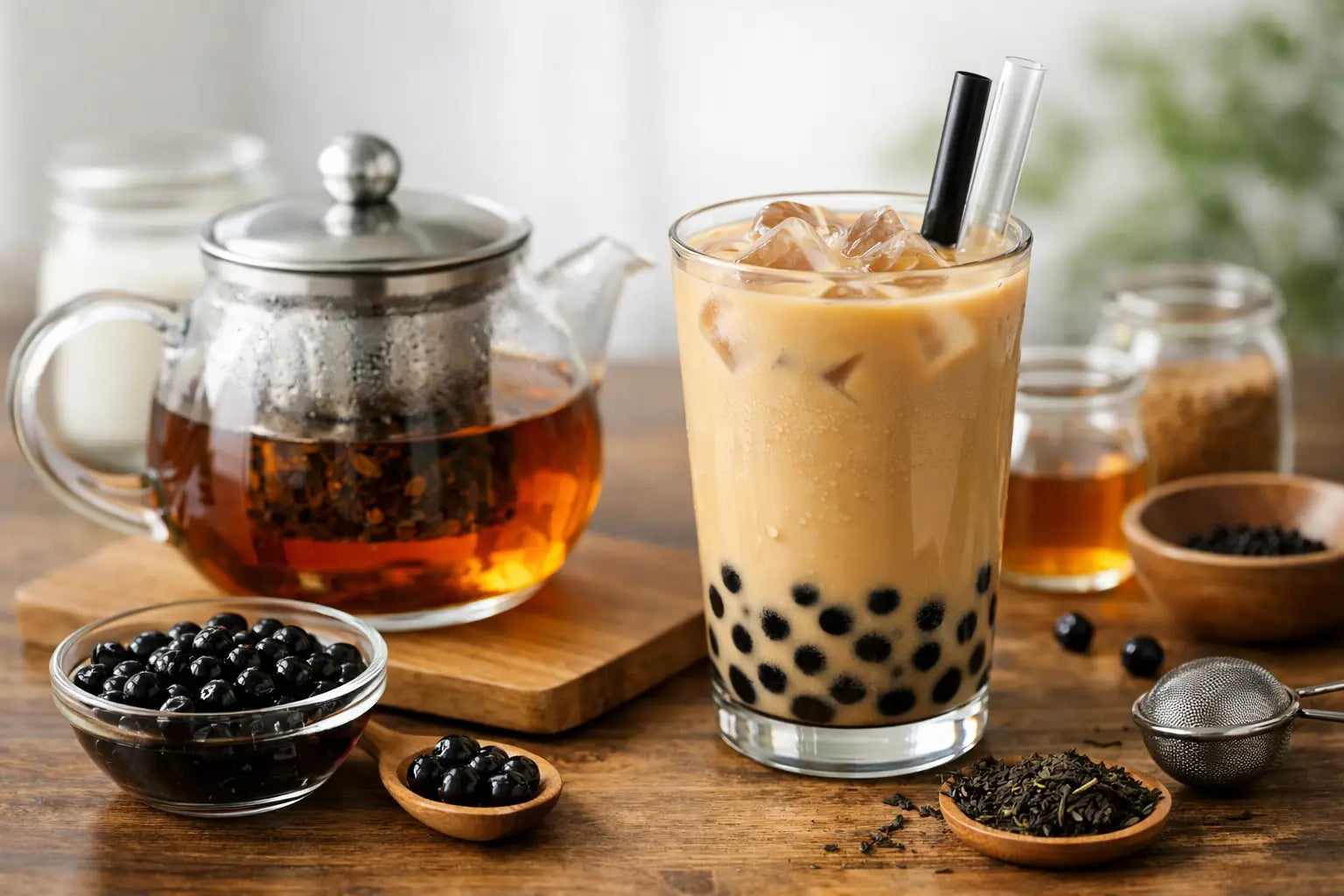
A great milk tea can be ruined before the boba even reaches the cup. If you are wondering how to steep bubble tea, the secret is simple: steep the tea itself with enough strength to stand up to milk, ice, syrup and toppings, but not so long that it turns bitter. Get this bit right and your homemade drink starts tasting wonderfully café-worthy.
What steeping means in bubble tea
Steeping is the time your tea leaves or tea bag spend in hot water. During that time, the water draws out flavour, colour and aroma. In bubble tea, you usually want a bolder brew than you would make for a quiet afternoon cuppa, because milk and ice soften the flavour.
That does not mean leaving the tea in forever. Over-steeped tea can taste dry, sharp or almost woody, especially once it has cooled. The goal is a fragrant, concentrated tea base with a clean finish - one that still tastes like tea after you add your favourite milk, brown sugar syrup, popping boba or tapioca pearls.
How to steep bubble tea: temperature and timing
The best steeping method depends on the type of tea in your kit or cupboard. Water that is too hot can scorch delicate leaves; water that is too cool may leave a black tea tasting thin. A kitchen thermometer is handy, but you can still make excellent bubble tea without one.
Black tea: rich and reliable for milk tea
Black tea is the classic choice for creamy bubble tea. It has enough body to work with dairy milk, oat milk and milk powders, and it pairs brilliantly with caramel, vanilla, strawberry and brown sugar flavours.
Use freshly boiled water, around 95°C, and steep for three to five minutes. Three minutes gives you a lighter, smoother result. Five minutes makes a punchier base, which is useful if you are serving the drink over plenty of ice. Remove the leaves or bag as soon as the timer ends.
If your black tea needs more oomph, use more tea rather than steeping it for longer. Extra leaves create a fuller flavour. Extra time is more likely to bring bitterness to the party, and it was not invited.
Green tea: fresh, floral and a little gentler
Green tea makes a lovely base for fruity bubble teas, particularly peach, lychee, passionfruit and elderflower-style drinks. It is more delicate than black tea, so treat it kindly.
Let boiling water sit for a few minutes before pouring it over the leaves. Aim for roughly 75 to 80°C, then steep for two to three minutes. Green tea can become bitter very quickly in boiling water, so shorter is usually better. Taste it at two minutes if you are unsure.
Oolong and jasmine tea: fragrant café favourites
Oolong sits somewhere between black and green tea. It is naturally rounded, slightly roasted or floral depending on the blend, and delicious with creamy additions. Steep it in water around 85 to 90°C for three to four minutes.
Jasmine tea is wonderfully aromatic and especially good in lighter, fruit-led bubble teas. Use water around 80°C and steep for two to three minutes. A heavy hand can hide its lovely floral notes, so let the tea do its thing before adding a very sweet syrup.
Make a stronger tea concentrate for iced drinks
Bubble tea is usually shaken or poured over ice, which means some dilution is unavoidable. Instead of over-steeping, make a tea concentrate. Use around one and a half to two times your usual amount of tea for the same amount of water, while keeping the recommended steeping time.
For example, if you would normally use one tea bag for 250 ml of water, use two tea bags for a more concentrated 250 ml brew. Once steeped, remove the bags, stir in any syrup while the tea is warm, then cool it before building your drink.
This small change makes a big difference. Your finished bubble tea will stay flavourful as the ice melts, rather than becoming a pale, watery disappointment halfway through the film night.
A simple steeping method for beginners
Start by boiling fresh water. Freshly drawn water has more oxygen than water repeatedly boiled in the kettle, which helps the tea taste brighter. Warm your mug, jug or heatproof glass with a little hot water if you like, then tip it out.
Add your tea, pour in the water at the right temperature and set a timer. Avoid squeezing the tea bag at the end. It feels satisfying, but it can press out bitter compounds that make the tea taste harsher. Simply lift it out or strain loose leaves away.
While the tea cools, prepare your toppings. Tapioca pearls are best served warm and chewy, ideally within a few hours of cooking. Popping boba and jelly can be added straight from the pack, making them a cheerful shortcut for quick drinks, parties and after-school treats.
When your tea has cooled, add milk or milk powder, syrup and ice. Shake it in a cocktail shaker, sealed jar or reusable bubble tea cup for a frothy finish. Then add your topping, pop in a wide straw and enjoy the very satisfying first sip.
Should you sweeten tea before or after steeping?
Sweeten after steeping, while the tea is still warm. Syrup dissolves easily at this point, and you can taste as you go. It also lets you keep the brewing stage focused on the tea itself.
Brown sugar syrup creates that classic deep, caramel-like note and works beautifully with black tea and tapioca. Fruit syrups tend to shine with green or jasmine tea. If you are using a sweetened milk powder, begin with less syrup than you think you need. You can always add more, but you cannot un-sweeten a drink once it is shaken.
Common steeping mistakes and easy fixes
The most common problem is tea that tastes bitter. Usually, the water was too hot for the tea type, the leaves were steeped for too long, or the bag was squeezed. Use a timer next time and lower the water temperature for green or jasmine tea.
If the tea tastes weak after you add milk and ice, increase the amount of tea on your next batch. Do not just steep it for twice as long. A stronger ratio gives you depth without the unpleasant tannic edge.
If your tea tastes flat, check the water and the tea itself. Water that has been sitting in the kettle all day will not make the liveliest brew, and old tea can lose its aroma. Fresh water and well-stored tea make a surprisingly noticeable difference.
Cloudiness is not always a mistake. Tea can go cloudy when it cools quickly, especially in the fridge. It is still safe to drink and often disappears once milk is added. For a clearer fruit tea, let the tea come closer to room temperature before chilling it.
Match your steep to your bubble tea mood
There is no single perfect brew for every drink. A bold black tea concentrate is ideal for a creamy brown sugar boba. A shorter, cooler green tea steep suits a bright passionfruit refresher. If you are making drinks for children or prefer a softer flavour, use less tea and less ice rather than pushing the steeping time.
For an easy first go, a Bubble Panda-style kit takes the ingredient hunting out of the equation, leaving you free to choose the fun part: flavour, milk, topping and how many friends you are sharing it with. Once you know your preferred tea strength, you can make each glass exactly your way.
The best steep is the one that makes you reach for another sip. Set a timer, taste your tea before building the drink, and adjust one small thing next time. That is how a homemade bubble tea becomes your signature order.
