
How to Make Taro Bubble Tea at Home
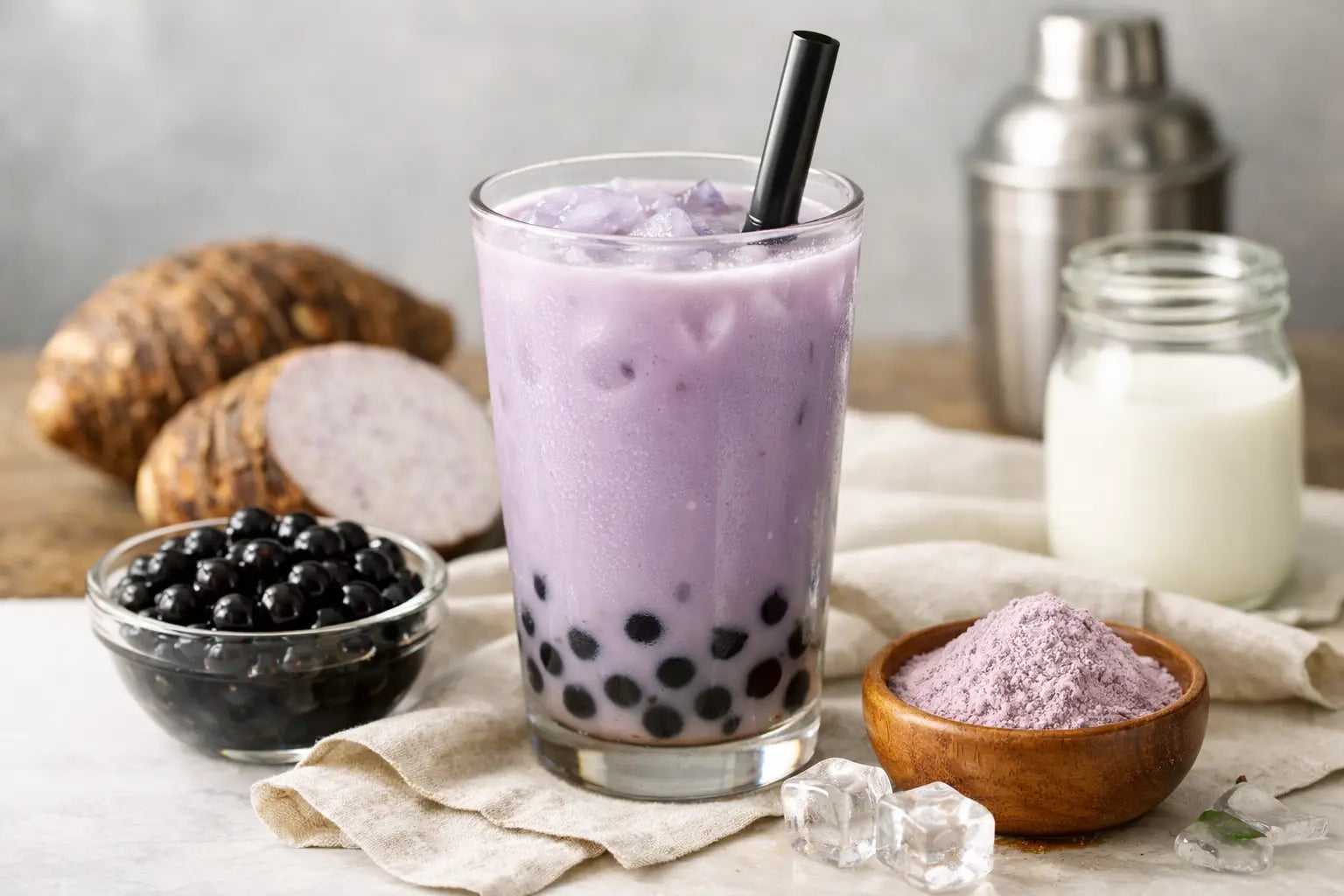
That first sip of taro bubble tea should taste creamy, lightly nutty and just sweet enough, with chewy pearls that actually feel worth the effort. If you want to make taro bubble tea at home, the good news is that it is much easier than it looks once you get the balance right.
Taro is one of those flavours people either spot instantly or struggle to describe. It is softly earthy, a little vanilla-like, slightly biscuity and wonderfully comforting. The challenge at home is not just getting the colour right. It is getting that smooth, shop-style texture without ending up with a watery drink or a gluey one.
What makes taro bubble tea taste right?
A good taro bubble tea is all about balance. Taro itself has a gentle flavour, so if the milk is too heavy or the sweetener is too strong, the whole drink can lose its character. On the other hand, if you hold back too much, it can taste flat.
Most home versions use taro powder because it is quick, consistent and gives you that classic lavender shade people expect. Fresh taro can be lovely, but it takes more prep and the flavour is often more subtle and starchy. If you are making bubble tea for a party, a family treat or a quick evening pick-me-up, powder is usually the easiest route to a reliable result.
The other half of the equation is texture. Taro drinks should feel creamy rather than thin, and your tapioca pearls should be soft with a slight chew in the middle. If either part is off, even a good flavour can feel disappointing.
Ingredients to make taro bubble tea at home
You do not need a huge shopping list, but each ingredient does a specific job. For one generous serving, you will want taro powder, milk, water, ice and cooked tapioca pearls. If you like it sweeter, add sugar syrup or your preferred sweetener.
Whole milk gives the richest result, but semi-skimmed still works well if you want something lighter. Plant milk can be used too, although it depends on the one you choose. Oat milk keeps the drink creamy and mellow, while almond milk can make the taro flavour feel slightly thinner. Coconut milk adds a lovely dessert-style twist, but it will change the flavour noticeably.
For the pearls, quick-cook tapioca is convenient, but standard tapioca pearls often have a better chew. It depends on how much time you have and how particular you are about texture. If this is your first attempt, easy wins matter.
The easiest method for a café-style drink
Start by cooking your tapioca pearls according to the packet instructions. This matters more than people think. Undercooked pearls are chalky in the middle, and overcooked ones can turn mushy fast. Once they are ready, drain them and stir through a little sugar syrup or honey to keep them glossy and prevent sticking.
While the pearls cook, mix your taro powder with a small amount of warm water. This helps it dissolve properly before you add milk and ice. If you throw everything in at once, you are more likely to end up with powdery bits that never quite disappear.
Next, add the milk and sweetener, then shake or whisk until smooth. A cocktail shaker is brilliant here, but a jar with a lid works just as well. Add ice and shake again for that cold, frothy finish.
Spoon the tapioca pearls into a tall glass, pour over the taro mixture and serve with a wide straw. That is the basic formula, and once you have it, the fun part is adjusting it to your taste.
Getting the texture just right
The biggest difference between an average homemade drink and one that feels properly shop-quality is texture. If your taro bubble tea tastes fine but still feels a bit off, this is usually why.
Too watery usually means too much ice melting into a thin base or not enough taro powder. Too thick can happen if you use too much powder or too little liquid. Taro drinks should be creamy enough to carry the flavour but still easy to sip through a straw.
Temperature plays a part too. Bubble tea tastes best very cold, but if the drink sits around for too long, the ice waters it down and the pearls begin to harden. It is best made fresh and drunk fairly quickly. This is one of those cases where a five-minute delay really can change the result.
If you want a thicker, dessert-style version, blend the milk, taro powder and ice together before adding the pearls. That gives you more of a taro frappe feel. It is especially good in warmer weather or when you want something a bit more indulgent.
Fresh taro or taro powder?
If you are wondering whether fresh taro is better, the honest answer is that it depends on what you want from the drink. Fresh taro has a more natural, understated flavour, and it can be brilliant if you enjoy making things from scratch. You will need to peel it carefully, steam or boil it until soft, then blend it into a smooth mixture before combining it with milk and sweetener.
That process can be satisfying, but it is not always practical. Fresh taro also varies in flavour, and the colour is usually much less vivid than the bubble tea shop version people know and love.
Taro powder is easier, faster and more predictable. For beginners, it is usually the better choice. If your goal is to make taro bubble tea at home without turning it into a weekend project, powder keeps things simple and fun.
Small tweaks that make a big difference
Once you have the basics sorted, tiny changes can completely shift the finished drink. A little extra sweetener brings out the vanilla-like side of taro. More milk softens the earthy notes. Less ice gives a fuller flavour, while more ice makes it lighter and more refreshing.
You can also swap toppings depending on the mood. Tapioca pearls are the classic pick, but jelly can make the drink feel fruitier and lighter. Popping boba gives a different experience altogether - less chewy, more playful. That can work especially well if you are making drinks for a group and want something a bit more colourful and beginner-friendly.
For entertaining at home, this is where bubble tea becomes more than just a recipe. Set out a few topping options, let everyone build their own glass and suddenly you have a genuinely fun activity rather than just another drink. That is a big part of the appeal.
Common mistakes when making taro bubble tea at home
The most common mistake is treating the pearls as an afterthought. They are not. Even a lovely taro base can be let down by pearls that are too hard, too sticky or left sitting for too long.
Another mistake is overloading the drink with sweetness. Shop-bought bubble tea can be very sweet, but at home you have the chance to make it more balanced. Start lower than you think, taste, then adjust. It is much easier to add sweetness than take it away.
Poor mixing is another frequent issue. Taro powder needs to be dissolved well, otherwise the drink can taste grainy. If you have ever had a homemade bubble tea that looked right but felt oddly dusty on the tongue, that is usually the culprit.
And finally, do not ignore the glass size. If you make a strong taro base and pour it into a very large glass packed with ice, the flavour will disappear quickly. Match your quantity to your serving glass and the drink will taste much more intentional.
Making it easier for beginners
If you are brand new to bubble tea, keep your first version straightforward. Use taro powder, a reliable milk you already enjoy, and one topping. Focus on getting the drink smooth, cold and creamy before experimenting with extras.
This is also why ready-to-make kits are so popular with first-timers and gift buyers. They remove the fiddly part of sourcing separate ingredients and help you get to the fun bit faster. For anyone who wants the café feel without a cupboard full of niche supplies, that convenience is a real win.
A good homemade taro bubble tea should feel like a treat, not a chemistry lesson. Once you have made it once or twice, you will find your own preferred ratio and rhythm.
Taro is one of the most satisfying bubble tea flavours to make at home because it feels a little bit special without being difficult. Get the base creamy, cook the pearls properly, keep it cold, and you are already most of the way there. After that, it is just about making it your kind of perfect.
