
DIY Boba Tea at Home Made Easy
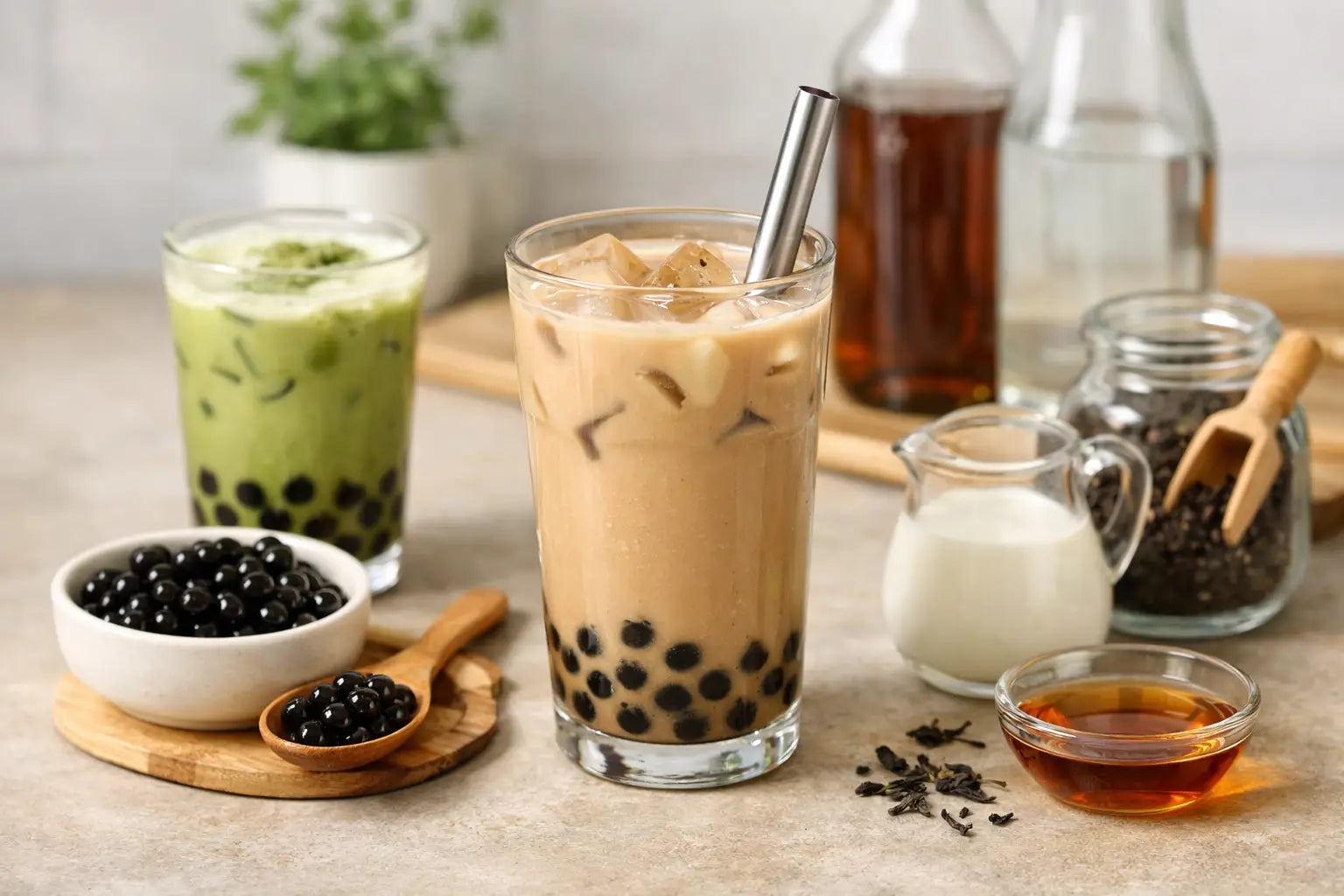
The first time you try diy boba tea at home, it usually goes one of two ways. Either you feel absurdly pleased with yourself for making a café-style drink in your own kitchen, or you end up with rubbery pearls, weak tea and a straw battle you did not sign up for. The good news is that great bubble tea at home is far easier than it looks once you know what actually matters.
The trick is not chasing perfection. It is getting the balance right between tea, sweetness, milk and texture, then choosing toppings that make the whole thing feel fun. That is why homemade boba works so well for families, flatmates, parties and gifting - it feels a bit special without requiring barista-level skill.
Why diy boba tea at home is worth it
Buying bubble tea out is lovely, but it adds up quickly, and you are limited to whatever is on the menu that day. Making it yourself gives you room to play. You can go classic with brown sugar milk tea, keep it fruity with popping boba, or try something more playful with flavours that feel a bit less expected.
There is also a practical side to it. At home, you control the sweetness, the strength of the tea and the type of milk. If one person wants a creamy taro-style drink and another wants something lighter and fruitier, you are not stuck choosing one lane. That flexibility is a big reason diy boba tea at home keeps becoming more popular - it feels indulgent, but it also fits real life.
What you actually need
You do not need a kitchen full of specialist kit. For most bubble tea recipes, the basics are tea, a sweetener or flavoured syrup, milk or a milk alternative if you want a creamy drink, ice, and your chosen topping. That topping might be tapioca pearls, popping boba or jelly, depending on the texture you want.
You will also want a shaker or a jar with a lid, plus a wide straw if you are using larger toppings. If you skip the wide straw with tapioca or popping boba, you will notice immediately, and not in a charming way.
The ingredient that changes the result most is the tea base. Strong black tea gives you that classic milk tea flavour. Green tea feels lighter and brighter, especially with fruit syrups. Herbal teas can work too, but they are less forgiving - some pair beautifully with fruit, while others can taste flat once you add ice.
How to make diy boba tea at home without overthinking it
Start with tea that is stronger than you would usually drink. Ice and milk dilute everything, so a weak brew will disappear fast. Let the tea cool before mixing, otherwise your ice melts too quickly and waters the drink down.
Next, prepare your topping. Tapioca pearls need the most attention because they have a short window where they are properly chewy. Leave them too long and they firm up. Undercook them and they are unpleasantly tough. Popping boba and jelly are much simpler - they are ready to use and ideal if you want a faster route to bubble tea.
Once your tea is cool, combine it with syrup or sweetener, add milk if you are making a milk tea, then shake it with ice until properly chilled. Pour your topping into the glass first, then add the drink. That way you get the full visual effect, which is half the fun.
If you are new to making bubble tea, keep the first attempt simple. One tea, one flavour, one topping. The more variables you add, the harder it is to work out what needs adjusting.
A simple flavour formula that works
A reliable homemade bubble tea usually follows a very easy rhythm: strong tea, enough sweetness to lift the flavour, enough creaminess if using milk, and a topping that suits the drink rather than fighting it.
Classic black tea pairs brilliantly with brown sugar, caramel, vanilla and creamy milk powders. Green tea shines with mango, lychee, passion fruit and strawberry. If you are making drinks for a group, these combinations are a safe place to start because they are crowd-pleasers without being boring.
If you want something a bit more playful, this is where British-inspired flavours can make homemade boba feel extra fun. Rhubarb, elderflower, cherry bakewell or gingerbread can turn an ordinary kitchen drink into something that feels gift-worthy or party-ready. The key is restraint. Unusual flavours are great, but they still need a solid tea base underneath them.
Choosing your topping matters more than you think
People often focus on the drink and treat toppings as an extra, but the topping changes the whole experience. Tapioca pearls are the classic choice if you want that proper chewy boba texture. They suit milk teas best and feel closest to the shop version, but they do require cooking and timing.
Popping boba is easier and more instantly rewarding. It works especially well in iced fruit teas because it adds bursts of flavour rather than chewiness. If you are making drinks with children or planning a birthday setup, popping boba tends to be the easiest win.
Jelly sits somewhere in the middle. It is softer than tapioca, less dramatic than popping boba, and great if you want texture without much prep. There is no universal best topping - it depends on whether you care most about authenticity, convenience or pure fun.
Common mistakes when making boba tea at home
Most homemade bubble tea problems come down to balance. If the drink tastes bland, the tea was probably too weak or the ice diluted it too much. If it tastes cloying, the syrup is overpowering the tea. If it feels heavy, you may need less milk or a lighter base.
Texture issues are just as common. Tapioca pearls can turn hard if they sit too long after cooking. Fruit drinks can taste muddled if you combine too many syrups at once. And if your drink looks lovely but tastes flat, it often needs a pinch more sweetness than you expect, because cold drinks mute flavour.
This is where kits can make a genuine difference for beginners. Having the tea, flavourings and toppings already designed to work together removes a lot of guesswork. Bubble Panda, for example, leans into that easy, shop-quality-at-home approach, which is exactly what many first-timers want.
Making diy boba tea at home for parties and gifts
Homemade bubble tea is not just a solo treat. It is one of those activities that works unusually well for small gatherings because everyone can customise their own drink. Put out different syrups, toppings and milk options, and people naturally get involved.
For family weekends, sleepovers, birthdays or just a rainy afternoon project, that hands-on element matters. It turns the drink into an experience, which is a big part of why bubble tea kits have become such popular gifts. You are not just handing someone ingredients - you are giving them something fun to make, share and show off.
If you are making drinks for a group, keep one classic option and one fruity option on the table. That covers most tastes without becoming chaotic. It also helps to prep the tea and toppings ahead of time so the actual drink-building stays quick.
How to get closer to café-style results
If you want your homemade bubble tea to taste more like the version from your favourite shop, pay attention to temperature and texture. Tea should be chilled but still bold. Ice should cool the drink, not swamp it. Milk should support the flavour, not bury it.
Shaking rather than stirring also makes a difference. It blends the ingredients properly, chills the drink faster and gives that smoother, more finished texture. It is a small step, but it makes the final result feel far less homemade in the scrappy sense and far more homemade in the satisfying sense.
The other secret is repetition. Your first drink might be nice. Your third or fourth is usually where you start understanding exactly how sweet, strong or creamy you like it. That is when diy boba tea at home becomes less of a novelty and more of a very good habit.
The best part is making it your own
There is something oddly brilliant about being able to make a drink that feels café-worthy while standing in your own kitchen in slippers. You can keep it classic, go full colour with fruity toppings, or mix flavours that you would never spot on a standard menu.
That freedom is what makes homemade bubble tea stick. It can be quick and easy, or a bit extra when the moment calls for it. Either way, once you find your favourite combination, you will wonder why you ever thought it was complicated.
