
Boba Allergy Guide for Safer Homemade Drinks
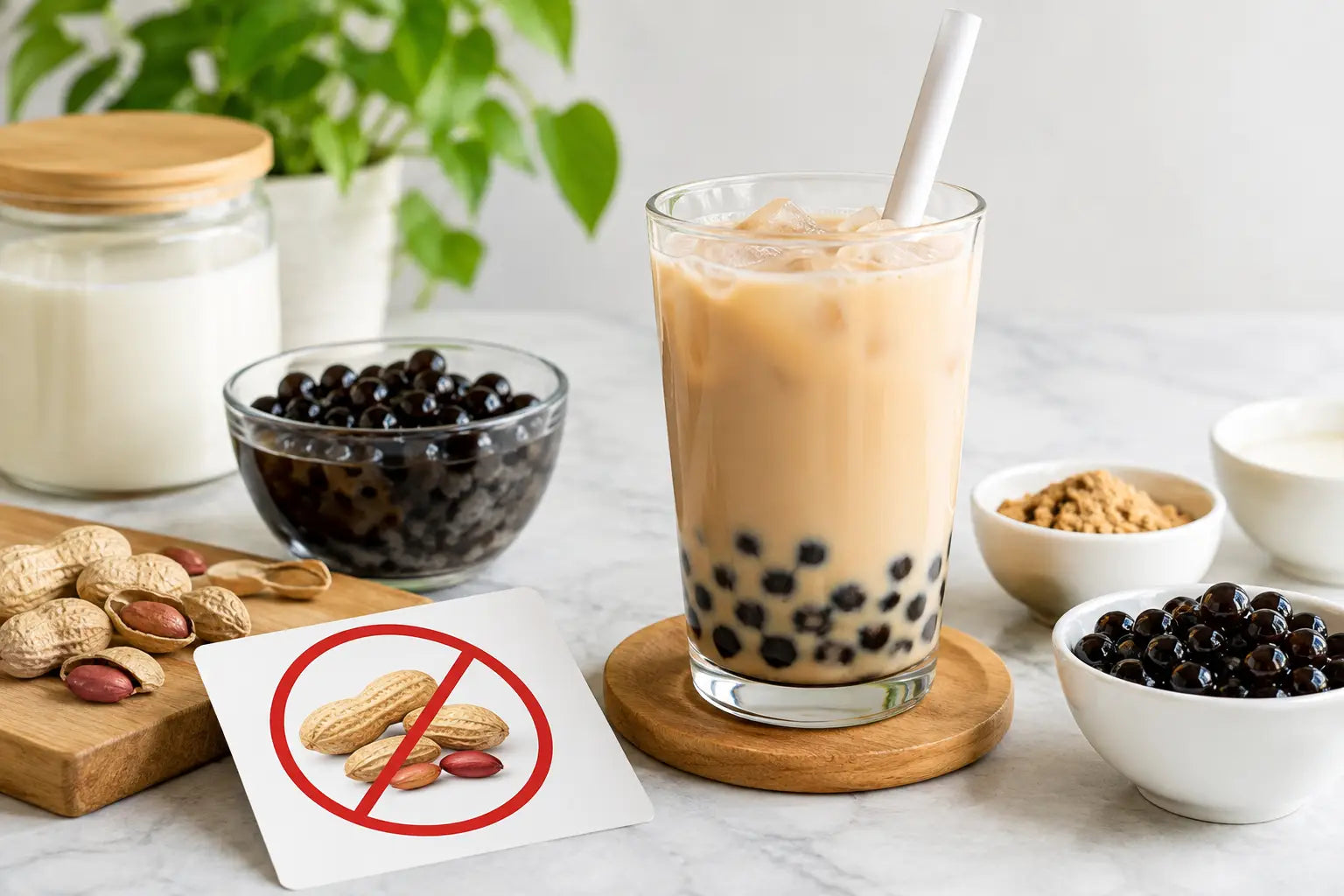
A brilliant boba night should end with empty cups, not a frantic search through ingredient packets. This boba allergy guide helps you make informed choices before you shake, stir and serve homemade bubble tea - especially when friends, children or party guests are involved.
Bubble tea can look simple in the cup, but it is a mix of several ingredients: tea, milk or milk powder, syrups, pearls, jellies and popping boba. Each one can bring different allergens or dietary considerations. The cheerful news is that a little label-checking goes a long way, and homemade drinks give you far more control than ordering from a busy counter.
Boba Allergy Guide: What Could Be in Your Cup?
The most likely allergens in bubble tea are often found in the creamy and flavourful parts rather than the tea itself. Milk powder, creamer and flavoured powders may contain milk, while some can also contain soya. If you are avoiding dairy, do not assume that a drink described as creamy, milky or vegan-style is suitable without checking the full ingredient information.
Tapioca pearls are generally made from cassava starch, water and sugar. Cassava itself is naturally gluten-free, but recipes and manufacturing facilities vary. Brown sugar pearls, for example, may have added flavourings or colourings, and there can be a risk of cross-contact where products are packed or prepared alongside gluten-containing ingredients.
Popping boba and fruit jellies are where label reading becomes especially useful. Their ingredients can include fruit juice, sugar, gelling agents, flavourings, colours and preservatives. Some products may contain or be processed with ingredients relevant to allergies, such as sulphites. The flavour name alone cannot tell you everything. A strawberry popping boba is not automatically free from every allergen, just as a lychee jelly is not automatically suitable for every diet.
Tea can matter too. Plain black, green and fruit teas are not among the UK’s 14 major allergens, but blends may contain added flavourings or ingredients that need checking. If you have a known sensitivity to caffeine, remember that this is usually a sensitivity rather than a true allergy, but it can still affect how you feel after a large or strong drink.
Read Every Component, Not Just the Kit Name
When making boba at home, think of the drink as a small recipe rather than one product. Check the packaging for the tea, syrup or powder, topping and any milk you add. This is particularly important for gift kits and party tables, where one person may use cow’s milk, another oat drink and someone else may want no topping at all.
In the UK, pre-packed foods should clearly highlight any of the 14 major allergens when they are deliberately included as ingredients. Look for emphasis in bold type, capitals or a contrasting style in the ingredient list. Also read any advisory wording such as “may contain” or “made in a facility that handles”. This wording is voluntary, but it can be useful for people with serious allergies who need to manage cross-contact risk carefully.
A quick kitchen check before you start can prevent most mix-ups:
- Read the ingredient and allergen information on every sachet and topping pot.
- Check the use-by or best-before date, particularly on opened powders and syrups.
- Keep packets with the finished drinks until everyone has been served.
- Use clean spoons, shakers and straws for allergen-free portions first.
- Label similar-looking drinks at parties, especially if some contain dairy or soya.
Dairy, soya and plant-based swaps
A café-style milk tea often starts with milk powder, creamer or condensed milk, so milk is one of the first things to check. For a dairy-free drink, you might make tea with a plant-based alternative instead. But plant-based does not mean allergen-free: oat, soya and nut-based drinks can all be unsuitable for different people. Even coconut ingredients should be checked according to an individual’s allergy advice.
Soya can turn up in unexpected places, including non-dairy creamers, emulsifiers or flavour blends. If someone has a soya allergy, read the ingredients rather than relying on a “dairy-free” claim. The two needs are not interchangeable.
For younger bubble tea fans, a simple fruit tea with a suitable topping can be an easy starting point. It is colourful, refreshing and avoids the guesswork that can come with creamy powders. Just make sure the syrup, tea blend and topping have each been checked first.
Gluten-free choices need a closer look
Tapioca pearls are commonly a naturally gluten-free choice, but a whole drink can still contain gluten through added ingredients, flavourings or cross-contact. Some biscuit-inspired or bakery-style flavours may be more likely to include cereals containing gluten, while shared kitchen equipment can transfer traces between drinks.
If coeliac disease or a medically diagnosed gluten allergy is part of the picture, use freshly cleaned equipment and avoid scoops that have been in mixed ingredient jars. Keeping a dedicated spoon for pearls or toppings may sound fussy, but it makes a busy family kitchen much easier to manage.
Nuts, peanuts, sesame and sulphites
Nut and peanut allergens may appear in certain flavour profiles, toppings or garnishes, particularly anything inspired by praline, cookies, cakes or chocolate treats. Sesame can also appear in food products that are not obviously savoury, so it should not be overlooked. Never remove a visible topping and assume the drink is then safe: the allergen may already be in the powder, syrup or preparation equipment.
Sulphites are another ingredient to watch for in some fruit-based products and preserved ingredients. People with asthma can be more sensitive to sulphites, although reactions vary from person to person. Again, the packaging is the best source for the exact product in your hand.
Make Bubble Tea With Less Cross-Contact
At home, you can make the process fun and careful at the same time. Start by washing hands and wiping down the worktop. Prepare the allergy-aware drink first, using clean equipment and unopened ingredients where possible. Then make the rest of the round.
This matters most when you are serving a group. One shared scoop dipped into milk powder, then into a topping tub, can create a problem that is impossible to see. The same goes for reusable wide straws and shaker cups. Wash them thoroughly between drinks, paying attention to lids, seals and straw openings where residue can hide.
Bubble Panda kits are designed to make home bubble tea feel straightforward, but every recipe should still be personalised around the person drinking it. Treat the packet information for the specific kit and components as the final word, because recipes, suppliers and ingredient lists can change.
Allergy, Intolerance or Sensitivity?
These words are often used casually, but they are not the same. A food allergy involves the immune system and can cause serious symptoms, even from a small amount. An intolerance may cause uncomfortable digestive symptoms but does not involve the immune system in the same way. A sensitivity, such as one to caffeine, can also affect someone’s wellbeing without being an allergy.
If someone develops hives, swelling of the lips, face or throat, wheezing, trouble breathing, dizziness, collapse, or repeated vomiting after eating or drinking, treat it as a medical emergency. Use their prescribed adrenaline auto-injector if they have one and follow their emergency plan, then call 999. Do not wait to see if a severe reaction settles.
For less urgent but recurring symptoms, speak with a GP or allergy specialist instead of cutting out several foods at once. Professional guidance can help identify the actual trigger and keep meals, treats and drinks varied.
Serving Boba Safely at Parties
For a birthday, sleepover or family movie night, put ingredient packets or a simple handwritten ingredient card beside the drinks station. Ask guests or parents about allergies before preparation, not after the first sip. It is a small bit of planning that lets everyone relax and choose confidently.
You can also create a build-your-own bar with clearly separated options: tea bases in one area, checked toppings in another, and milk choices served separately. Keep the spoon with its own bowl, and give each drink a name tag. It looks delightfully organised and prevents the classic “Which one is mine?” moment.
The best bubble tea is made for the person holding the cup. With clean kit, clear labels and a recipe tailored to their needs, there is plenty of room for the popping pearls, favourite flavours and the happy first slurp.
