
How to Use Boba Kits at Home
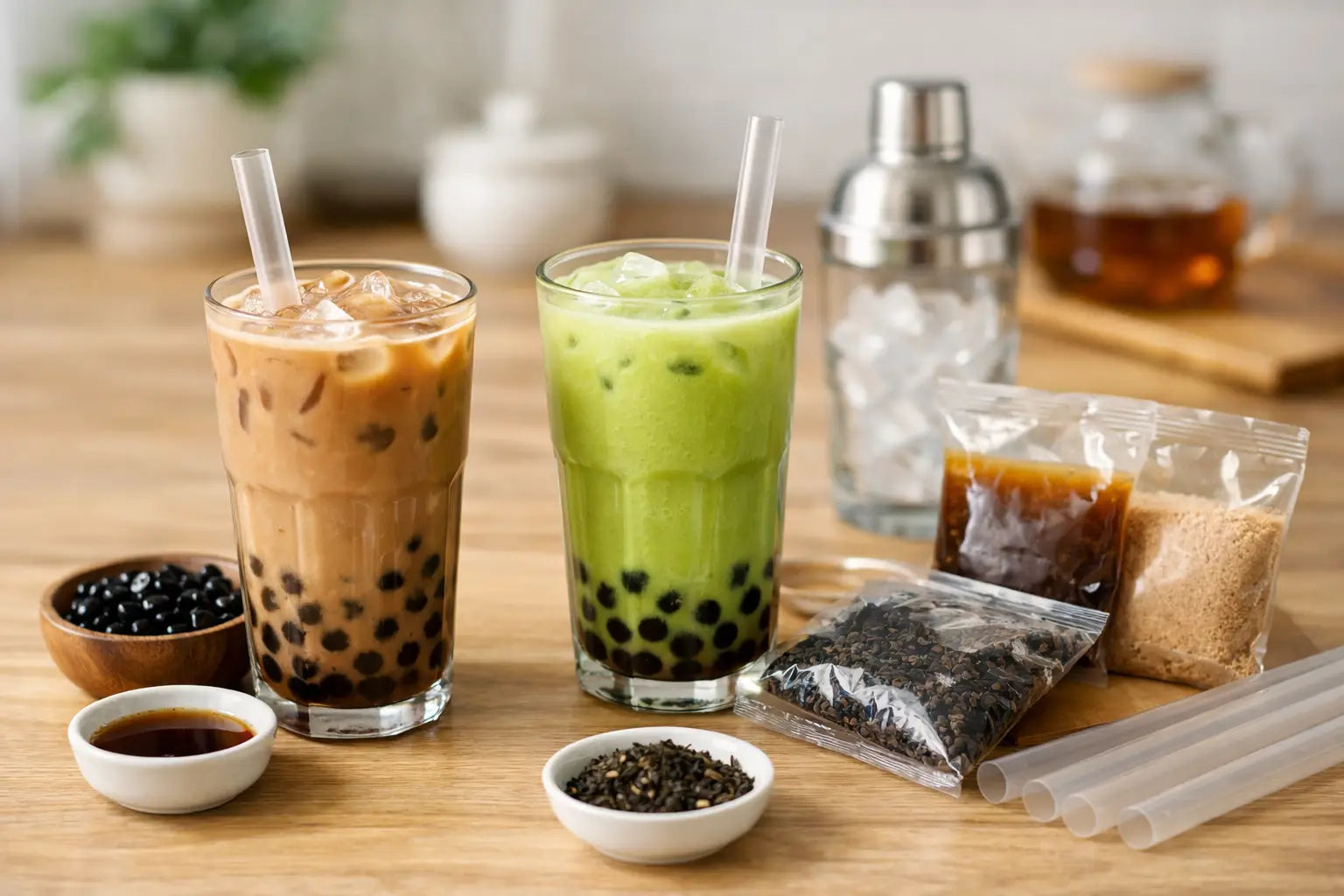
That first homemade bubble tea can go one of two ways - brilliantly chewy, sweet and café-worthy, or oddly watery with tapioca that turns up five minutes late to the party. If you’ve been wondering how to use boba kits without wasting ingredients or guessing your way through it, the good news is that it’s much easier than it looks once you know the rhythm.
A good kit is designed to take the faff out of sourcing separate ingredients and help you get straight to the fun part: building a drink you actually want to sip. Whether you’ve picked one up for yourself, as a gift, or for a birthday kitchen activity, the process is simple, flexible, and very forgiving.
What comes in a boba kit?
Most boba kits include the core parts of a bubble tea shop order, just in a more beginner-friendly format. You’ll usually get a tea base or milk tea powder, a sweetener or flavoured syrup, toppings such as tapioca pearls, popping boba or jelly, and often reusable straws or cups depending on the set.
That mix matters because not all bubble tea is made the same way. Some drinks lean on strong brewed tea and syrup for a fresher, lighter finish. Others use milk tea powders for speed, sweetness and a creamier texture. Neither is wrong. It simply depends on the style you like and how much time you want to spend making each drink.
If your kit includes tapioca pearls, those usually need the most attention because texture is everything. Popping boba and jelly are much easier - they’re typically ready to use, so you can spoon them straight in once your drink is mixed.
How to use boba kits step by step
The easiest way to think about it is in layers: prepare the topping, make the drink base, add ice if you want it cold, then assemble everything in the right order.
1. Start with the topping
If you’re using tapioca pearls, put these on first. They take the longest and are best when they’re fresh. Follow the pack instructions closely because cooking times vary between quick-cook pearls and traditional ones. Some are ready in minutes, while others need simmering and resting.
Once cooked, don’t leave them sitting in plain water for too long or they’ll lose their lovely chew. If your kit includes a syrup or sugar mix for the pearls, stir them through while the tapioca is still warm. That helps with flavour and keeps the texture softer.
If your kit uses popping boba or jelly, this step is delightfully easy. Just have them ready to scoop once the drink base is done.
2. Make the tea or milk base
Next, prepare the drink itself. If your kit includes tea bags or loose tea, brew it a little stronger than you would for an ordinary cuppa. Ice and milk will dilute it later, so a bolder base gives you a better final flavour.
If your kit uses a milk tea powder, whisk or shake it with the recommended amount of water or milk until smooth. This is one of the reasons boba kits are so handy - you get that sweet, creamy shop-style taste without needing a long ingredients list in your cupboard.
For a colder drink, let hot tea cool slightly before combining it with ice. Pouring boiling tea straight over ice can water everything down too quickly.
3. Add flavour and sweetness
This is where the kit starts to feel like your own. Add the syrup, fruit flavour, or sweetener included and taste as you go. Some people like a punchy, dessert-style drink. Others want something lighter and more tea-forward.
It’s worth remembering that toppings add sweetness too. Popping boba, fruit pearls and flavoured jellies can make a drink taste sweeter than expected, so if you’re new to it, start slightly under and build up.
4. Assemble in the right order
Add your boba or topping to the cup first, then ice if using, then pour over the drink. This gives you those proper bubble tea layers and makes it easier to stir everything together without splashing syrup up the sides of the cup.
Use a wide straw if you have one. Standard straws and tapioca pearls are not close friends.
Tips for getting café-style results
If you want your homemade drinks to feel less like “nice attempt” and more like “wait, you made this?”, a few small tweaks make a big difference.
Temperature matters more than most beginners expect. Tapioca pearls are best warm or at room temperature, not fridge-cold and not left sitting for hours. Brewed tea should be cool enough to avoid melting all your ice instantly, but still fresh-tasting.
Shaking helps too. If your kit comes with a shaker, use it. If not, a lidded jar does the job. Shaking mixes powders and syrups more evenly than stirring alone, and it gives milk tea that smooth, lightly frothy finish people associate with takeaway bubble tea.
Ratios are the other big one. If your first drink tastes flat, it’s often because there’s too much liquid for the amount of tea or flavouring. If it tastes overly rich, a splash more water, milk, or ice usually fixes it. Bubble tea is wonderfully customisable, but that does mean your favourite version may take one or two tries to land.
How to use boba kits for different drink styles
One of the best things about learning how to use boba kits is that you’re not locked into a single recipe. The same box can often give you several different moods.
For classic milk tea, keep things simple. Use the tea or milk powder base, add the recommended syrup or sweetener, then finish with tapioca pearls. This is the cosy, familiar option and a very safe starting point if you’re making drinks for a group.
For fruit tea, brew the tea base and let it cool, then add fruit syrup and plenty of ice. Popping boba works especially well here because it adds little bursts of flavour rather than extra heaviness. This style is brilliant for warmer days or if you prefer something less creamy.
For dessert-style drinks, go bigger on the milk base and sweeter flavours. This is where playful combinations really shine, especially if your kit includes something a bit different from the usual. Bubble Panda has built a reputation around unusual flavour twists, and they work well at home because you can make them as bold or as subtle as you like.
Common mistakes and easy fixes
The most common issue is overcooked or undercooked tapioca. If it’s hard in the middle, it likely needed longer. If it’s turned mushy, it was cooked too long or left soaking too long afterwards. The fix is usually simple: follow timing carefully next time and only cook what you plan to use soon.
Watery bubble tea is another frequent one. That usually comes from weak tea, too much ice, or mixing while the base is still very hot. Brew stronger, cool slightly, and assemble just before drinking.
Lumpy milk tea powder can happen too. Shaking rather than stirring usually sorts this out. If you’re stirring, start with a small amount of liquid to form a smooth paste, then add the rest.
And if the flavour feels off, don’t panic. Bubble tea is quite forgiving. A drink that’s too sweet can often be balanced with more tea or ice. One that’s too strong can be softened with milk or extra water.
Making boba kits more fun for parties and gifting
Boba kits are not just about convenience. They’re also a very easy way to turn drinks into an activity. That’s part of the appeal for families, students, and gift buyers - you’re not only making something tasty, you’re creating a little event around it.
For birthdays or sleepovers, set out the components buffet-style so everyone can build their own cup. Keep one classic option, one fruity option, and a couple of toppings. You don’t need a huge spread to make it feel special.
For gifting, beginner-friendly kits work best when the instructions are clear and the flavours feel exciting but approachable. The sweet spot is something that feels a bit treat-like without being complicated to make. If the recipient has never made bubble tea before, that ease matters just as much as the flavour.
Why boba kits work so well for beginners
The biggest reason is confidence. Buying ingredients separately can be fun if you already know what you’re doing, but for most people it creates too many variables at once: which tea, which pearls, how much syrup, what texture should it have, and why are there now three pans on the hob?
A kit cuts through that. You get matched ingredients, portion guidance, and a clearer path to a successful first drink. After that, you can start experimenting more freely.
That’s really the sweet spot of homemade bubble tea. It should feel easy enough for a weeknight treat, but still fun enough that you want to show someone your finished drink before you take the first sip.
If you’re just starting out, keep your first cup simple, follow the timings closely, and adjust from there. Once you’ve got the basics down, half the fun is making it your own.
