
Boba Storage Guide for Fresher Bubble Tea
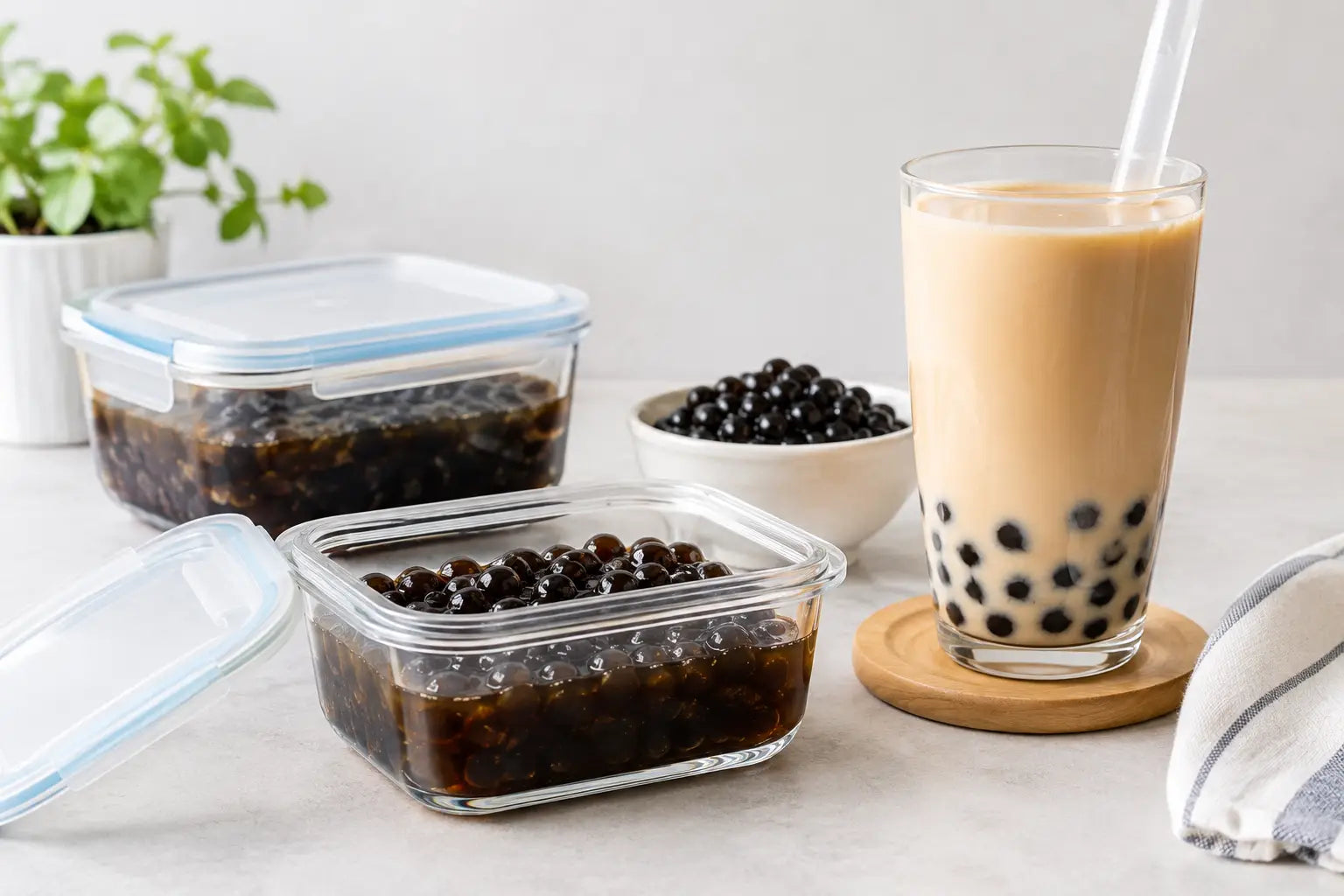
A brilliant bubble tea night can be ruined surprisingly quickly by one thing: boba that has gone hard, syrup that has lost its sparkle, or toppings that have been left out a little too long. This boba storage guide makes the practical bits easy, so your next homemade drink is just as fun as the first.
The golden rule is simple: store each ingredient according to its own needs, not as one big “bubble tea kit” category. Dry tapioca pearls, cooked pearls, popping boba, tea, powders and syrups all behave differently. A little care means less waste, better texture and more reasons to make one more drink.
Start with the label, then use your senses
Packaging instructions always come first. They are designed for that specific product, and they may differ between brands, flavours and pack formats. Check whether an unopened item belongs in a cool, dry cupboard or the fridge, then look for any guidance about how long it lasts once opened.
Keep all unopened bubble tea ingredients away from direct sunlight, heat and steam. The cupboard beside the oven might be handy, but it is not ideal for tea, powders or pearls. Choose a cool, dry shelf instead. Humidity is the enemy of dry ingredients, while warmth can affect flavour and colour in syrups and fruit-based toppings.
Once opened, write the date on the pack or jar with a marker. It takes two seconds and saves the classic fridge-door mystery: “When did we open this?” If anything smells odd, looks mouldy, has changed colour dramatically or has a broken seal, do not use it.
Storing dry tapioca pearls
Uncooked tapioca pearls are the easiest boba ingredient to keep. Store them in an airtight container in a cool, dry cupboard, well away from moisture. Their original resealable pouch can work if it closes tightly, but a lidded jar or storage tub offers extra protection after the first use.
Do not refrigerate dry pearls unless the packet specifically tells you to. The fridge can introduce moisture and condensation, which may make pearls clump together or cook unevenly later. Likewise, do not leave the bag open on the worktop during a busy drink-making session. Scoop out what you need, seal the rest and put it away.
If your pearls have stuck together before cooking, they may have absorbed moisture. A few loose pearls are usually fine, but a hard, damp-looking block is not worth risking. Fresh dry pearls should look separate, dry and ready to tumble into boiling water.
Can you freeze uncooked tapioca pearls?
Usually, there is no need. Dry tapioca pearls already have a good shelf life when stored correctly, and freezing can create condensation once they return to room temperature. Save freezer space for ice, fruit or pre-portioned brewed tea instead.
The truth about cooked boba: enjoy it fresh
Cooked tapioca pearls are at their best on the day you make them. That lovely chewy bounce is what makes a brown sugar milk tea feel like a proper treat, and it fades fast. Refrigeration may sound sensible, but cold temperatures make cooked tapioca pearls firm and unpleasantly chewy.
For the best result, cook only the amount you plan to use within a few hours. Once cooked, keep the pearls in their sweet syrup or sugar solution at room temperature, covered, and use them the same day. Follow the instructions supplied with your pearls for exact timing, as different sizes can behave differently.
If you have leftovers, refrigerating them may be preferable to leaving them out, but expect a texture trade-off. They are safe only for the period advised on the product instructions and will rarely return to their just-cooked glory. Reheating can soften them a little, depending on the recipe, but it will not fully restore that fresh-from-the-pan chew.
This is one occasion where smaller batches win. Making boba for two rather than a whole crowd is not less fun - it simply means every glass gets the good stuff.
Keep popping boba bright, juicy and ready to burst
Popping boba needs gentler handling than tapioca pearls. Before opening, store jars or pouches as directed on the label, usually in a cool, dry place away from sunlight. Once opened, popping boba generally needs to go in the fridge in its original liquid, with the container tightly sealed.
Always use a clean spoon. Dipping a used straw or spoon back into the jar can introduce crumbs, milk or bacteria, shortening the life of the topping. Avoid freezing popping boba unless the label says it is suitable. Freezing can damage the delicate outer shell, leaving you with soft, split bubbles rather than that satisfying fruity pop.
For best flavour and texture, use opened popping boba within the manufacturer’s recommended timeframe. Make it easy on yourself by planning a mini tasting session: mango in iced green tea one day, strawberry lemonade the next, then a colourful party tray at the weekend.
Store jellies, aloe and other ready-to-use toppings carefully
Jellies and other prepared toppings often follow similar rules to popping boba: cupboard storage before opening, refrigeration after opening. But this is not universal, so check the packet rather than assuming. Keep the topping covered in its syrup or liquid where applicable, because exposure to air can dry it out and affect its texture.
Use clean utensils and close the lid straight after serving. If a topping has an unusual smell, fizzing, cloudiness, mould or a noticeably different texture, bin it. A colourful drink is not worth a questionable ingredient.
Tea, powders and syrups: protect the flavour
Loose tea, tea bags and powdered tea blends belong in a cool, dry cupboard. Seal them carefully after opening, especially if your kitchen gets steamy. Tea readily absorbs surrounding aromas, so keep it away from strongly scented foods. Nobody wants a vanilla chai that mysteriously tastes of cupboard spices.
Milk tea powders and creamers also need dry storage. Use a completely dry scoop, reseal the pouch properly and avoid storing it in the fridge, where condensation can cause clumps. If you use a large refill pack, dividing it into a smaller airtight container for everyday use can help keep the main supply fresher.
Syrups are more flexible, but the label is still in charge. Some are happy in a cool cupboard after opening, while others need refrigeration. Wipe the bottle neck or pump after use to stop sticky build-up, and replace caps tightly. If a syrup has separated, a gentle shake may be all it needs. If it smells fermented or looks mouldy, it is time for a fresh bottle.
Brewed tea and prepared milk tea
Freshly brewed tea tastes brightest when used soon after making it. If you are preparing ahead for iced drinks, cool the tea quickly, transfer it to a clean covered container and refrigerate it. Use it promptly, ideally within a day or according to your recipe guidance. Tea can develop a dull flavour when it sits too long, even when it is still technically usable.
Prepared milk tea needs more care because dairy and dairy alternatives have their own storage rules. Refrigerate it promptly in a sealed container and do not leave it at room temperature for extended periods, especially at a party or picnic. Add ice, cooked tapioca pearls and delicate toppings only when you are ready to serve. That keeps the drink colder, the pearls chewier and the layers prettier.
A simple boba storage guide for party prep
Planning a birthday table, family film night or make-your-own bubble tea bar? Prepare the parts that hold well, then assemble close to serving time. Brew and chill tea in advance, organise clean cups and wide straws, and set out unopened toppings shortly before guests arrive. Cook tapioca pearls last.
For four or more separate components, a quick station setup helps:
- chilled brewed tea in a covered jug
- syrups and milk powders with clean spoons or pumps
- popping boba and jellies kept cool until serving
- freshly cooked tapioca pearls in syrup
- ice, cups and wide straws ready for the grand finale
Do not store finished bubble tea for later
A fully assembled bubble tea is a “drink now” treat. Ice melts, tea dilutes, cooked pearls toughen and creamy drinks lose their fresh balance. If you need to prepare ahead, store the tea, milk element and toppings separately, then build each drink when it is wanted.
That little bit of timing makes a huge difference. Keep your ingredients dry, chilled or covered where they need to be, make tapioca pearls fresh, and let every colourful cup be the excuse for a proper at-home bubble tea moment.
