
How Boba Tea Layering Makes Drinks Look Brilliant
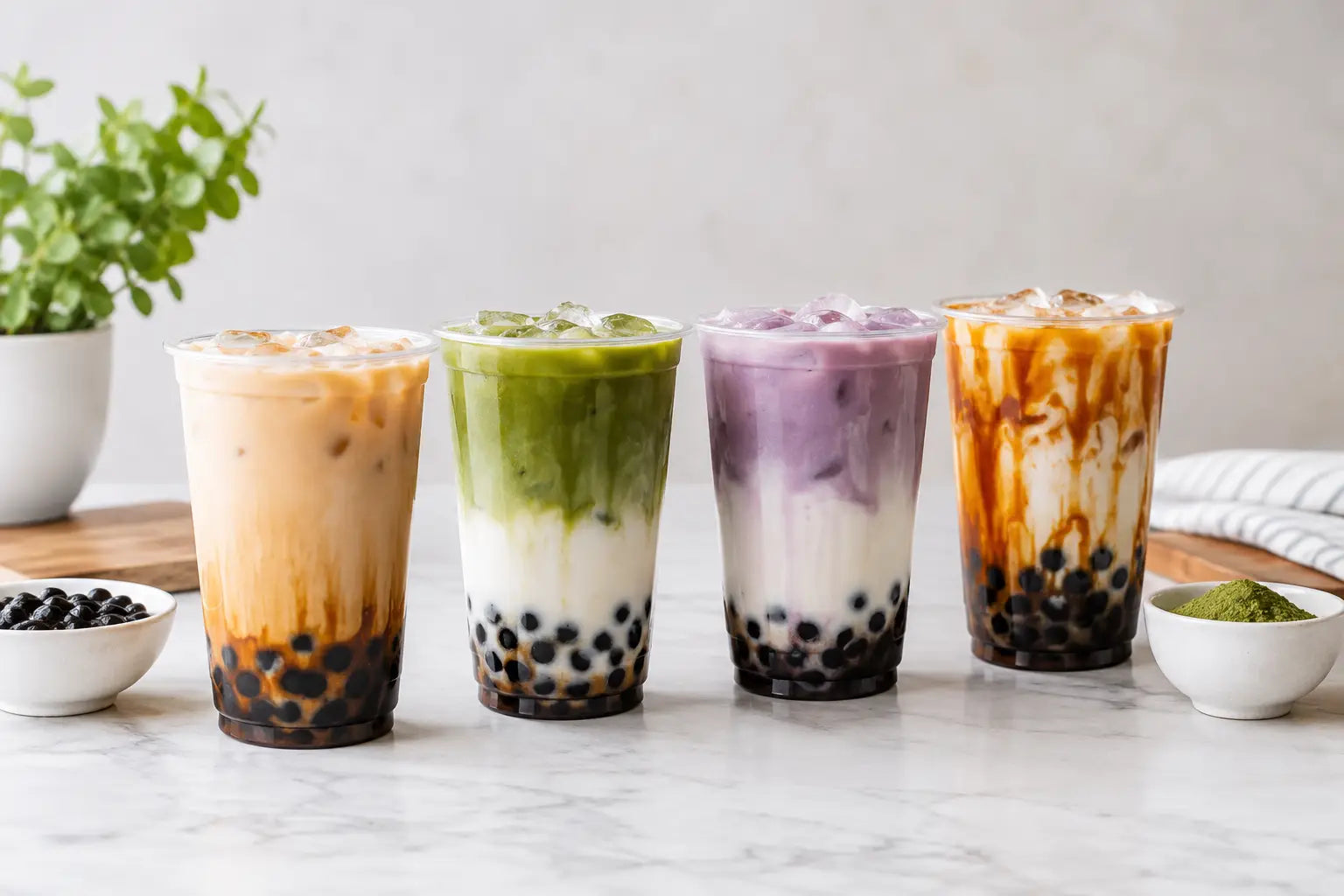
A clear cup can turn an ordinary homemade drink into the star of the table. That is the joy of boba tea layering: distinct colours, toppings you can see, and a first sip that feels every bit as exciting as choosing a drink at a bubble tea shop. Better still, it looks impressive without needing fiddly equipment or barista training.
Layering is not only about making a pretty picture for the group chat. It lets you play with flavour as you drink, choosing whether to stir everything together or enjoy sweeter, fruitier sips first. Once you know which ingredients belong at the bottom, middle and top, you can make café-style bubble tea at home for a film night, birthday table or a very cheerful Tuesday.
What Is Boba Tea Layering?
Boba tea layering is the technique of building a drink in visible levels rather than mixing every ingredient at once. Usually, toppings sit at the bottom, followed by syrup, then ice and the main tea or milk base. A final float of cream, fruit puree or a second tea can add an extra colour contrast.
The secret is density. Heavy ingredients settle, while lighter liquids sit above them for a little while. Syrups and fruit purees tend to stay low because of their sugar content. Ice acts like a gentle barrier between layers, slowing the liquids as they meet. Milk tea and fruit tea can create a lovely divide too, though the effect depends on how cold they are and how carefully you pour.
A layered drink will naturally start to blend as it stands. That is normal, and honestly, part of the fun. Think of the finished glass as a mini moment of theatre rather than a display that needs to stay perfect all afternoon.
The Best Order for Boba Tea Layering
A good layer starts before you pour anything. Choose a clear, straight-sided glass so the colours and toppings are easy to admire. Make your tea in advance and let it cool, because warm tea melts ice quickly and muddles the layers before the drink reaches the table.
Start with toppings
Add your tapioca pearls, popping boba or jelly first. This gives the drink its signature bubble tea look and makes sure every sip through a wide straw has something fun in it. Tapioca pearls work beautifully with milk teas and caramel-style flavours, while popping boba brings jewel-like colour to fruit teas. Jelly is a brilliant choice when you want a bold, tidy base that will not roll around in the glass.
If you are using tapioca pearls, serve the drink fairly soon after preparing them. They are at their best soft and springy, rather than left sitting in cold liquid for hours.
Add syrup or fruit puree
Next comes the flavour-packed layer. Pour syrup directly over the toppings, or spoon in a thick fruit puree for a stronger colour block. This is where a strawberry, mango, lychee or passion fruit drink starts to look properly party-ready.
You do not need a huge amount. Too much syrup can make the bottom overly sweet, especially if you plan to stir the drink later. Start modestly, then taste your tea base before assembling the next glass. It is much easier to add an extra splash than rescue a drink that tastes like melted sweets.
Fill the glass with ice
Add plenty of ice, ideally enough to fill the glass around two-thirds of the way. Ice is your layering helper: it gives you something to pour against, helping the next liquid spread gently instead of plunging straight into the syrup.
Regular cubes are absolutely fine. Crushed ice can look lovely in a fruit tea but melts faster, so it is best for drinks you will serve straight away. For a creamier milk tea, larger cubes keep the drink cold with less dilution.
Pour the tea slowly
Now pour in your chilled tea or milk tea. For the clearest layers, pour slowly over the back of a spoon held just above the ice. The liquid will trickle down softly rather than blast through the lower layers.
A fruit tea makes colours appear especially crisp, while milk tea gives you a softer, cloudier effect. Neither is better - it depends on the drink you want. Bright fruit layers feel fresh and playful; creamy layers look comforting and indulgent.
Finish with a contrasting top
For a final flourish, add a small amount of a contrasting liquid over the spoon. A milk or cream topping over a darker tea looks dreamy, while a vibrant fruit puree on a pale milk tea creates a striking colour pop. Keep this final layer light and small so the drink is still easy to sip through a straw.
Flavour Combinations That Look as Good as They Taste
The prettiest combinations use colours that contrast, but flavour still comes first. A bright red syrup may look fabulous against milk tea, yet it needs to taste right with the tea underneath. Use these pairings as inspiration, then make them your own.
Mango syrup, passion fruit tea and mango popping boba make a sunny yellow-and-gold glass with a tropical finish. Strawberry syrup under jasmine tea creates a rosy base that looks particularly lovely with strawberry popping boba. For a creamy option, try brown sugar syrup, black tea milk tea and tapioca pearls. It is less colourful, but the rich caramel shades look wonderfully café-like.
British-inspired flavours can make your layers feel more unexpected. Rhubarb syrup with a delicate green tea and lychee jelly is tangy, floral and brilliantly pink. Cherry bakewell flavours work well as a dessert-style milk tea, especially with cherry popping boba. Gingerbread syrup under a creamy black milk tea makes a cosy cold-weather treat, with cinnamon warmth in every stirred sip.
Three Small Details That Make Layers Last Longer
The first is temperature. Use chilled tea, chilled milk and cold toppings where appropriate. When one ingredient is much warmer than another, the ice melts faster and the layers merge sooner.
The second is thickness. Syrup and puree naturally sit low, but very thin fruit juice blends rapidly. If you want a dramatic fruit layer, choose a puree or a syrup rather than relying on juice alone.
The third is patience. Pouring slowly is the difference between clean bands of colour and one very tasty but fully mixed drink. A spoon is useful, but you can also pour gently down the inside of the glass. It may take a few seconds longer, and the reveal is worth it.
Common Layering Problems, Fixed
If everything mixes straight away, the tea was probably poured too quickly, the glass did not have enough ice, or the syrup was too thin. Try chilling the tea for longer and use a slower pour next time. If the drink looks great but tastes uneven, use less syrup at the bottom and make the tea base slightly sweeter before assembling.
If toppings disappear beneath a mountain of ice, use a taller glass or reduce the ice a little. You want enough space for the bubbles to be visible, not just buried. And if your tapioca pearls stick together, give them a gentle stir with a little syrup before they go into the glass.
Do not worry if your layers are not perfectly straight. A swirled edge often looks more delicious than a laboratory-clean line. Bubble tea is meant to be made, shared and enjoyed, not judged under a spotlight.
Make Layered Bubble Tea Part of the Occasion
Layering shines when everyone gets to choose their own colours and toppings. Set out clear cups, wide straws, ice, teas, syrups and a few topping options, then let guests build their own. It works brilliantly for children’s birthday celebrations, sleepovers, family film nights and gift opening, because the making is part of the treat.
For a calmer at-home moment, choose one flavour combination and take your time with it. A Bubble Panda kit can keep the cupboard-to-glass process simple, leaving you more time to play with presentation rather than hunting for ingredients.
Your next layered drink does not need to be complicated. Pick one topping, one syrup, a chilled tea and plenty of ice, then pour slowly. The first colourful swirl in the glass is all the encouragement you need to make another.
